
Introduction
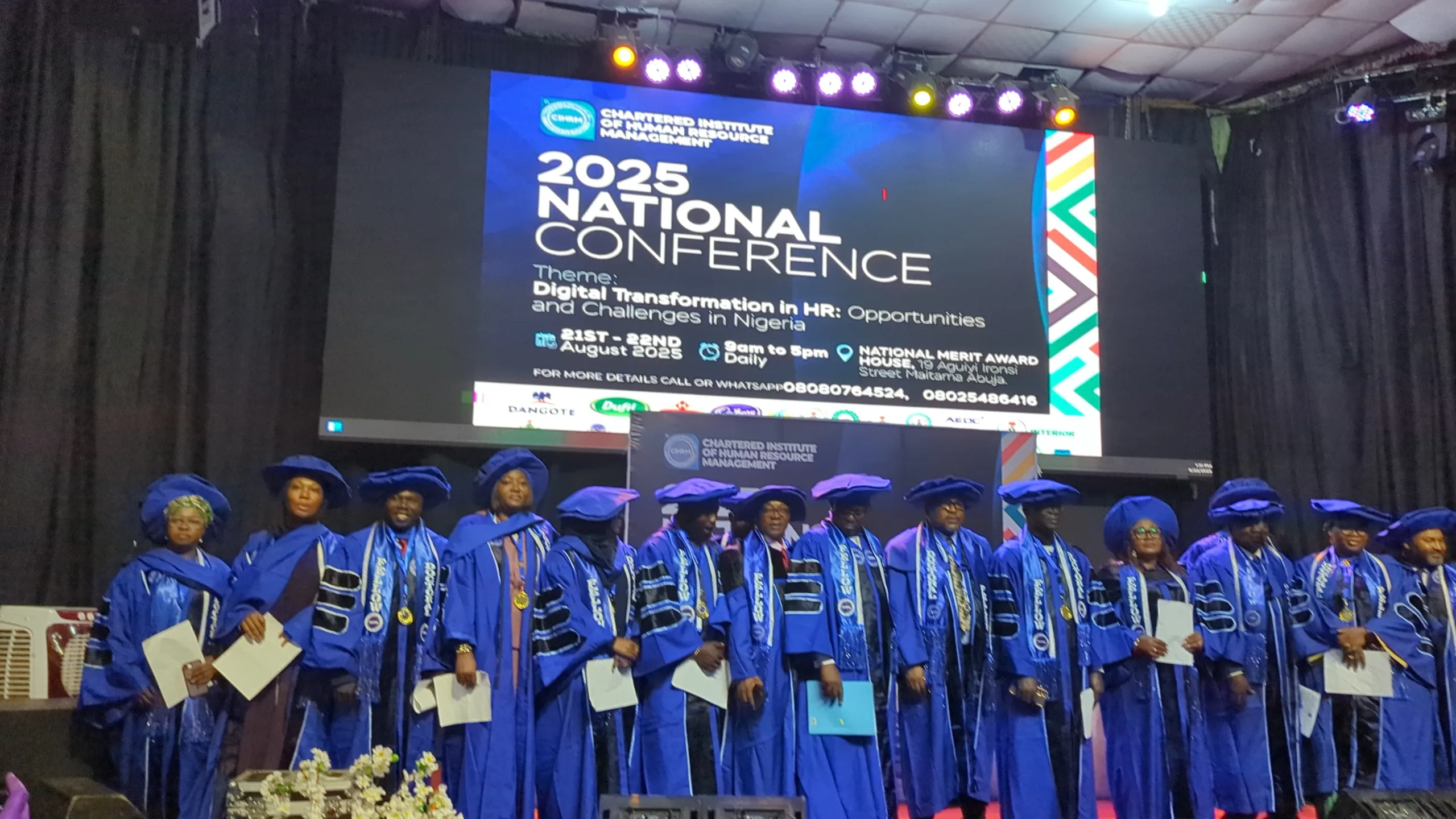
The Chartered Institute of Human Resource Management (CIHRM) successfully hosted its First National Conference, a historic milestone in the institute’s journey to advance the HR profession in Nigeria. The maiden edition of the conference was held on Thursday, 21st, and Friday, 22nd August 2025 at the prestigious Nigerian Merit Awards House, Maitama, Abuja, FCT.
The event attracted over 311 participants from all 36 states of Nigeria, representing a diverse group of HR professionals, industry leaders, and practitioners dedicated to shaping the future of human resource management in the country.
The theme, “Digital Transformation in HR: Opportunities and Challenges in Nigeria,” highlighted the pressing need for innovative solutions, modern HR practices, and strategic thinking in the digital era, providing a platform for discussion, learning, and networking.
Arrival & Registration
Delegates began arriving on Wednesday, 20th August 2025. Participants traveled from various states across Nigeria, and standard hotel accommodations were arranged for both attendees and staff from different regions.
The first day commenced with participant registration and distribution of conference materials. Breakfast and lunch were served, ensuring that attendees were well catered for throughout the day.
First Day Activities
The CIHRM National Conference 2025 opened with an inaugural session that set the tone for an inspiring and insightful event.
Welcome Address Summary
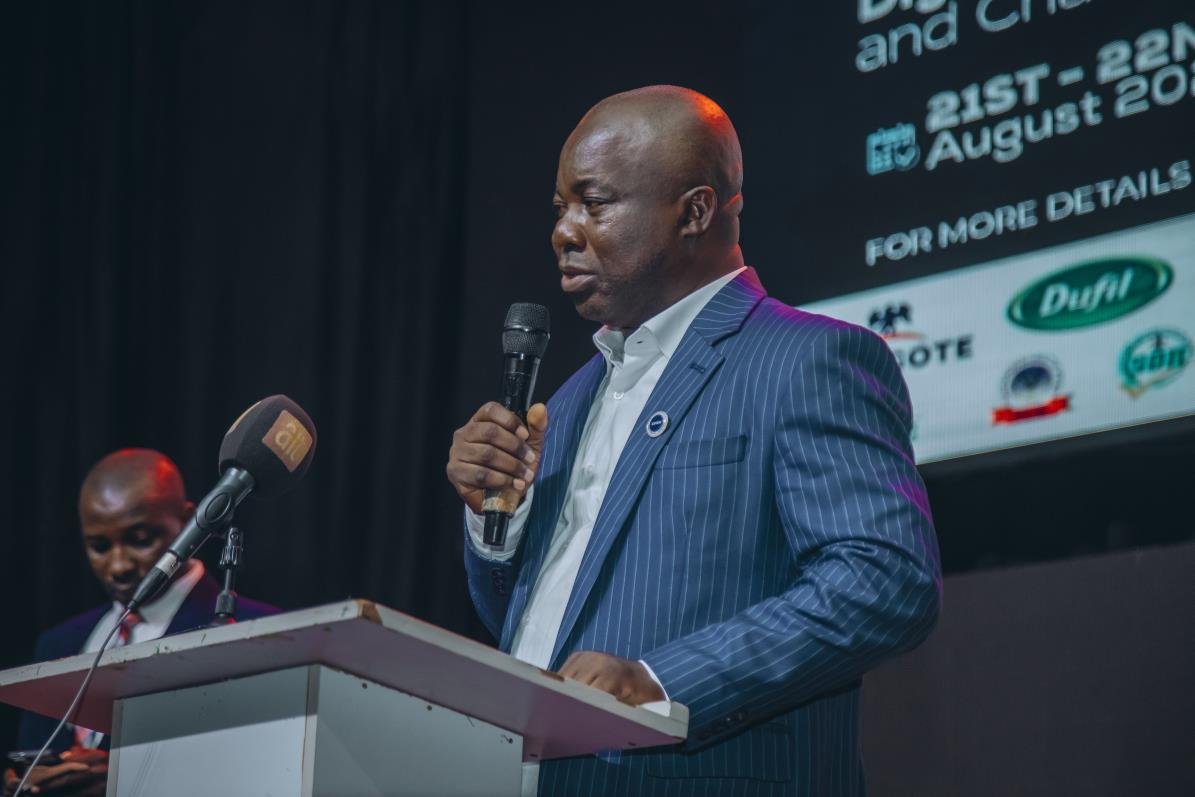
By the President / Chairman, Governing Council of Chartered Institute of Human Resource Management, Dr. Olufemi Samuel
A warm welcome was extended to all participants at this historic first national conference. The address underscored the impact of digital transformation on workplaces—AI-powered recruitment, workforce analytics, virtual workplaces, and digital learning—alongside challenges such as data privacy, digital literacy gaps, infrastructure limitations, and regulatory needs.
The conference was positioned as a call to action for HR professionals, policymakers, and business leaders to create strategies that are digitally enabled, people-centric, and aligned with Nigeria’s unique context.
The President commended the Organizing Committee and emphasized balancing technology integration with the human element to achieve sustainable growth, eliminate redundancies, and foster workplace harmony. Distinguished facilitators included Ds. Abike Igbeyi, Dr. Smatt Biodun Azeez, and Dr. Emmanuel Emeh.
The Institute’s milestones—chapter creation and inauguration, enrollment of thousands of members, and strengthened institutional unity—were highlighted as proof of CIHRM’s commitment to advancing HR practice in Nigeria.
Welcome Address
By Mr. Tunde Sadibo, Abuja Chapter Chairman, CIHRM
The Chairman reaffirmed the importance of digital transformation in HR and CIHRM’s commitment to professional excellence. He noted that digital transformation is reshaping industries and the workplace, demanding agility, ethical leadership, and strategic foresight.
While embracing new possibilities like AI-powered recruitment, analytics, virtual workspaces, and digital learning, the address cautioned about data privacy, digital literacy gaps, infrastructure constraints, and the need for balanced regulatory frameworks.
The conference was framed as a collaborative call to action for practitioners, policymakers, academics, and business leaders to develop HR strategies that are digitally enabled, people-centric, and contextually relevant to Nigeria.
Keynote Lecture
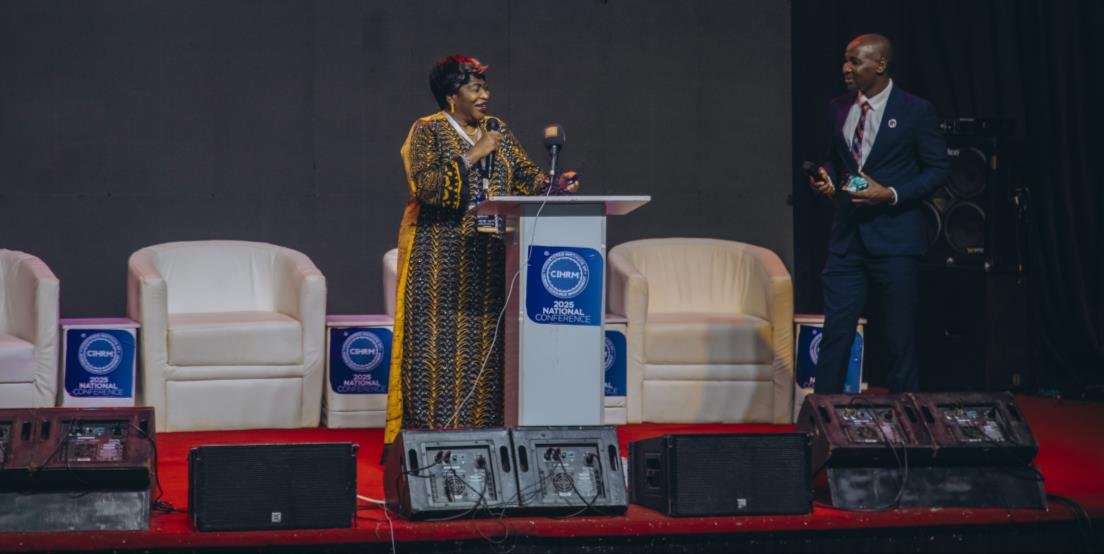
Dr. Ayoade Abike Igbeyi, FCIHRM — “The State of HR in Nigeria – Government Perspective”
The presentation examined public sector HR challenges: bureaucratic delays, inadequate training, poor compensation systems, ghost workers, weak accountability, and underdeveloped performance management—leading to inefficiencies and low morale.
Ongoing reforms include digitalization initiatives such as PMS (replacing APER), digital dashboards, IPPIS, and e-recruitment platforms to enhance transparency and efficiency.
The private sector leads in AI-enabled recruitment, remote/hybrid work, employee wellness programs, and youth skill collaboration (e.g., ITF, N-Power). Yet gaps remain in digital literacy, infrastructure, and regulation.
The keynote called for public–private collaboration, greater investment in training, and a mindset shift toward digital HR solutions to sustainably transform Nigeria’s workforce.
Keynote: State of HR in Nigeria’s Private Sector

Dr. Smatt Biodun Azeez
Nigeria’s private sector HR landscape is dynamic yet challenging. With 76.69% of the working-age population employed and 92.6% in the informal sector (NBS Q1 2023), organizations face high turnover, skills shortages, infrastructure gaps, and socio-cultural biases in recruitment. Employee engagement remains low, with 51% indifferent about their jobs.
Recommended actions: embrace merit-based recruitment, invest in training, leverage AI and automation, and adopt flexible work models. Trends like remote work, diversity initiatives, and mental health programs reinforce the need for innovative HR practices.
Sustained progress depends on strategic public–private partnerships, improved infrastructure, and stronger talent development to position Nigeria’s private sector for global competitiveness.
Understanding the Divide: HRM and Non-HRM Professionals
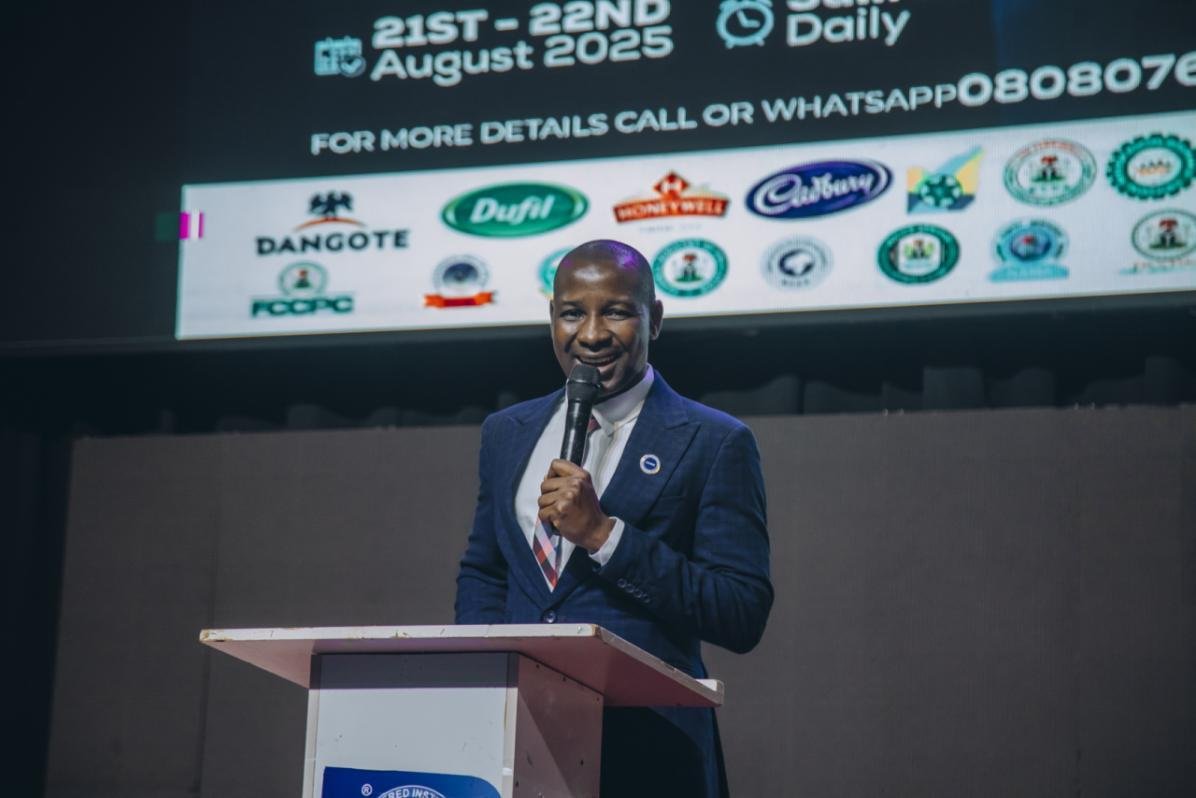
Dr. Aliyu Ilias (Abuja CIHRM Coordinator)
The session stressed engaging trained HRM professionals. Assigning HR responsibilities to unqualified individuals leads to errors, reduced productivity, and reputational risk. Modern HRM is strategic—prioritizing development, well-being, and organizational success—beyond administrative personnel management.
CIHRM equips professionals across strategic management, compensation & benefits, talent development, employee relations, culture, compliance, diversity & inclusion, and digitalization, while discouraging nepotism and favoritism.
Second Day Activities
Day Two built on the momentum with engaging, collaborative sessions. It opened with a recap and a motivational address underscoring continuous learning and professional networking in HR.
Employee Mobility Report: Enhancing Workforce Efficiency in Nigeria
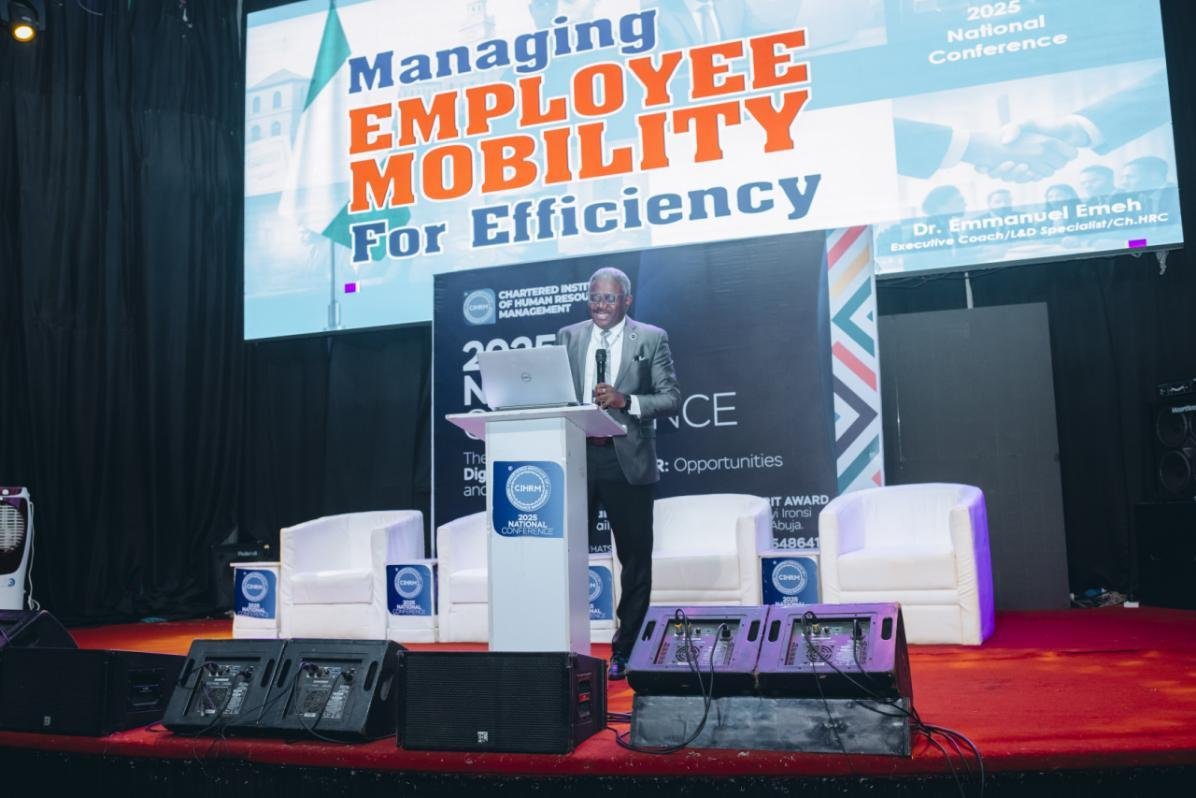
Dr. Emmanuel Emeh
Employee mobility was reframed as movement within or outside an organization, emphasizing internal strategies to curb talent drain (e.g., “Amaka” leaving for growth available internally). Mobility spans promotions, lateral shifts, cross-functional projects, and relocations that build skills and resilience.
Nigeria’s landscape is shaped by economic pressures, the “Japa” trend, and global talent competition. Public sector mobility is rigid and seniority-driven; private sector approaches are dynamic and merit-based. Both face skills gaps and talent hoarding.
Legal diligence (consent for transfers, union negotiations) is critical. Strategies include internal opportunity marketplaces, job rotation, upskilling, and rewarding managers for talent development. Transparent communication and structured transitions are vital for redeployments.
HR leaders should assess internal hiring barriers, prioritize internal talent, and link mobility to rewards—turning brain drain into brain circulation for a resilient workforce.
Group-Based Interactive Sessions
Participants were divided into mixed-industry groups to discuss topics aligned with the theme: “Digital Transformation in HR: Opportunities and Challenges in Nigeria.”
- The role of HR in managing diversity and inclusion.
- The role of HR in fostering workplace culture.
- The role of HR in a digitalized work environment.
- The role of HR in managing compensation and benefits.
Groups brainstormed and presented to the full audience. A panel of moderators and industry experts provided feedback and spotlighted innovative ideas shaping the future of HR in Nigeria.
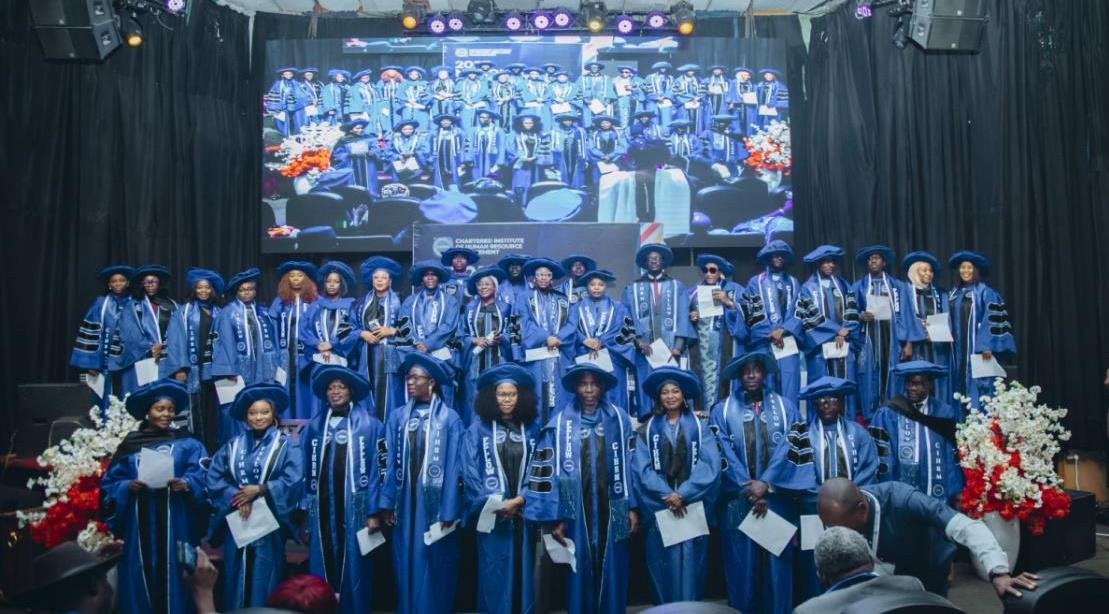
Induction Ceremony
A key highlight was the formal induction of new members across categories:
- Doctoral Fellows
- Fellow Members
- Full Members
- Associate Members
Inductees took the official oath, pledging to uphold CIHRM values and ethical standards and to advance HR practice in Nigeria. Certificates of Participation were presented to all attendees at the closing plenary.
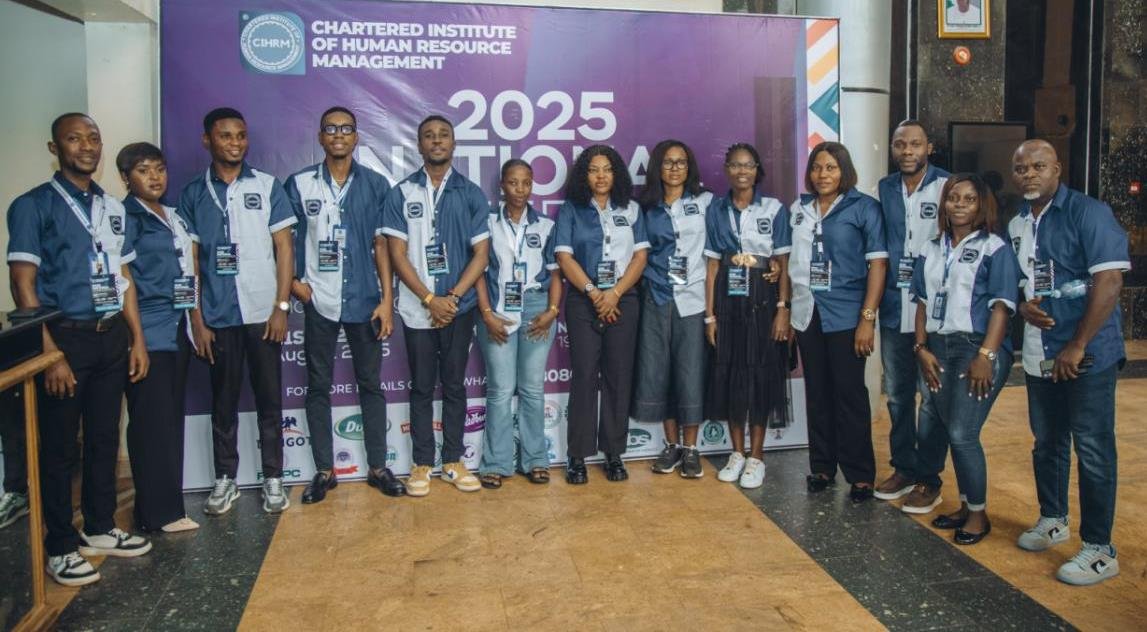
The Lagos and Abuja CIHRM Team Members
Acknowledgment of Lagos Team’s Contribution
The Lagos Team’s support in planning, coordination, and execution was invaluable—spanning logistics and strategic inputs. Team members received standard hotel accommodations to ensure comfort and seamless delivery across conference activities.
Challenges Encountered / Extra Cost
- Epileptic power supply causing temporary session disruptions.
- Toilet odor complaints (promptly addressed by the committee).
- Price variations on program items, slightly impacting the budget.
Recommendations
- Increase conference fees to accommodate rising costs and maintain quality.
- Select a strategic city for the next conference to enhance participant convenience.
- Meet or surpass the Abuja standard in subsequent editions.
- Prepare materials for both online and physical attendees.
- Increase engagement opportunities for online participants.
Closing Remark
The maiden CIHRM National Conference was a resounding success, providing a platform for knowledge exchange, networking, and professional development for HR practitioners nationwide. The Abuja Centre team looks forward to hosting an even more impactful program.
Abuja Team Members
- Dr. Aliyu Ilias (CIHRM Abuja Coordinator)
- Miss Eneube Ifunanya Linda
- Mr. Bala Zekeri
- Miss Mary Simon
- Mr. Adefolarin Abiodun Olamilekan
- Mr. Eneube Ifeanyi Shedrack
The Abuja team thanks the Institute for the opportunity to host this epoch-making event of the Chartered Institute of Human Resource Management.
Signed: Aliyu Ilias, PhD — Abuja Centre Coordinator